 Australia
  Ireland
  USA
USA  France

For this latest post, we’re very pleased to welcome My Expert Midwife as a guest on our blog. My Expert Midwife was founded in 2017 to help with the physical recovery challenges that women face during pregnancy, childbirth and beyond. Working with in-house expert midwives, they’ve developed a range of award-winning products designed especially for new and expectant mums and new babies. Their midwife-developed products come glowingly recommended by thousands of mums.
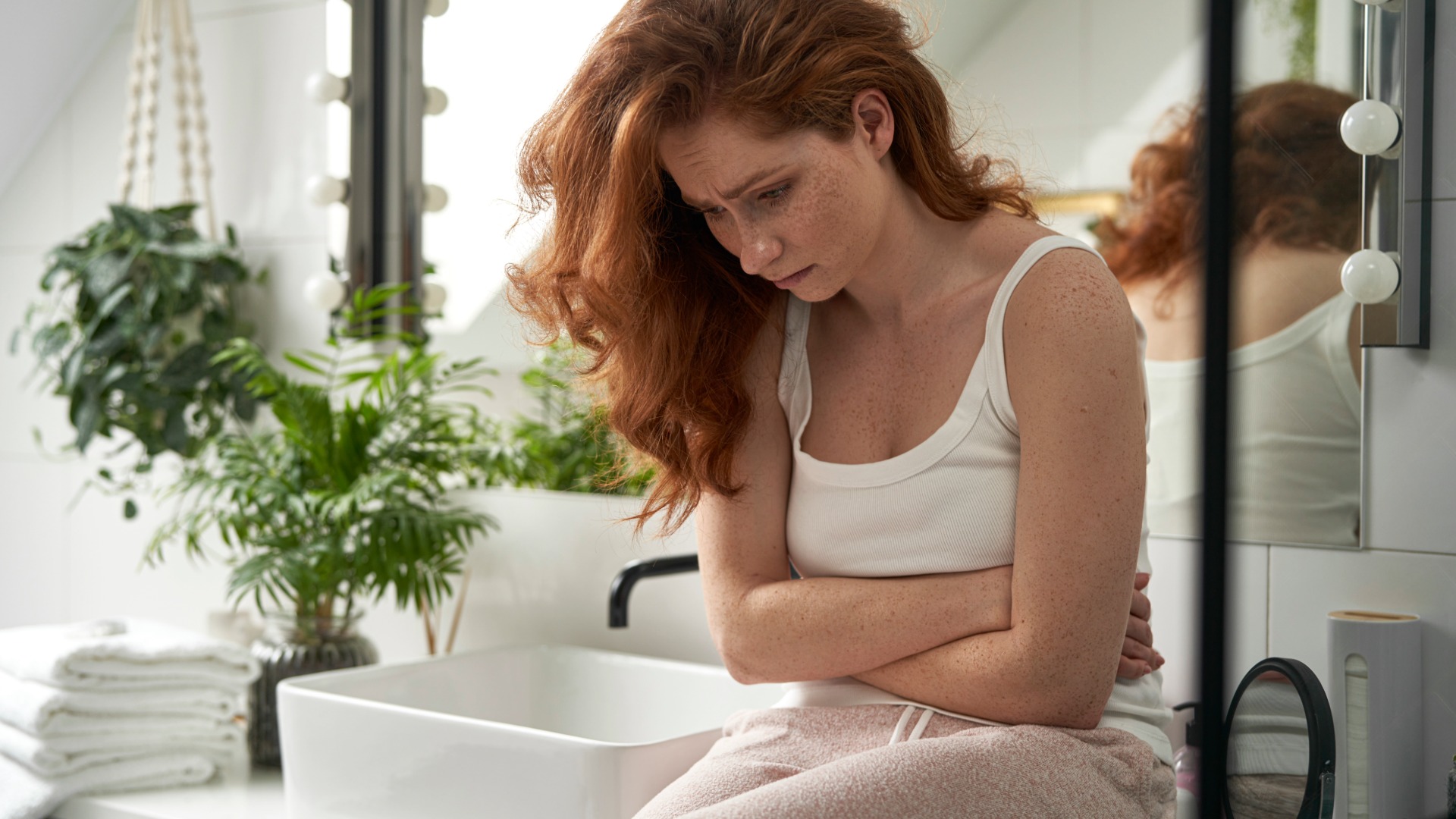
Morning sickness is a regular occurrence, particularly in early pregnancy. At the same time, not all pregnant women experience it, and those that do report varying symptoms; the most common morning sickness symptoms are nausea and vomiting.
Although called morning sickness, it can happen day or night. The good news is that even if you’re among the 80% of women who experience morning sickness, in most cases, it eases up or goes away by the second trimester around weeks 12-16.
Some women, roughly 1-2%, experience a severe morning sickness called hyperemesis gravidarum. For example, the Duchess of Cambridge experienced hyperemesis gravidarum with all three pregnancies.
Morning sickness may also cause acid reflux and diarrhoea. All of these symptoms combined may lead to dehydration and weight loss. Staying hydrated is essential. If you cannot keep liquids or food down and are experiencing dehydration symptoms or losing weight, contact your midwife or GP as you may require prescription medications.
How to Help Morning Sickness
Ask any mother, grandmother, or friend, and they’ll each give you different morning sickness remedies. What helps with morning sickness will vary, but here are some recommended ways to reduce nausea and vomiting during pregnancy.
1. Eat Small Meals
Eating smaller meals several times a day may decrease vomiting during pregnancy. An empty stomach makes nausea worse. So even if you feel sick, try nibbling on a biscuit or cracker and sipping some water.
2. Use Supplements & Vitamins
Taking vitamin B6 is shown to help with morning sickness. You could also try My Expert Midwife’s Soothing Ginger Melts, which not only have B6 but B12 and Vitamin C to help combat fatigue in the early weeks of pregnancy.
3. Avoid Trigger Foods
This one seems like a no-brainer, but if the smell or taste of a specific food causes you to feel nauseous, avoid it. It is also wise to avoid spicy, creamy, or carb-heavy foods while dealing with morning sickness.
4. Rest
Rest is always a good idea when you’re not feeling your best. Although many women have to work through early pregnancy and rest can be hard to come by, do your best to relax when possible. Ask your partner for help at home or call a friend or family member if your nausea is so severe it’s impacting your ability to get things done.
If you’re not ready to announce your pregnancy to the world, speak to your boss to see if reasonable accommodations can be made, or you can work from home if possible.
5. Consume Ginger
Ginger is a natural remedy to combat nausea. You can try drinking ginger ale but look for brands that use raw ginger, not just sugar and flavouring. You can also nibble on crystalised ginger, ginger biscuits, or steep fresh ginger in hot water.
6. Use Anti-Nausea Essential Oils or Drink Tea
Several different essential oils can ease nausea. Ginger, as mentioned above, is one excellent choice. However, if you’re not a fan of the taste or smell of ginger, try peppermint oils or peppermint tea.
My Expert Midwife’s Sick of It! Spritz is the perfect handbag companion to carry with you wherever you go. It contains peppermint and lemon to fight off nausea and grapefruit to combat fatigue.
7. Use Nausea Bands
A lesser-known pregnancy nausea tip is to wear an anti-nausea or sea band. Designed for motion sickness, they press against acupressure points to relieve nausea.
Why Does Morning Sickness Occur?
Morning sickness is a response to hormonal changes and fluctuations in your body once it detects pregnancy. Therefore it is often one of the first symptoms a woman has even before taking a pregnancy test.
Some women believe morning sickness indicates a healthy pregnancy, but no scientific evidence supports this idea. The idea likely came about as a way to cheer miserable, nauseous women up by making them feel positive!
Pregnancy hormones are also responsible for tender breasts, fatigue, mood swings, and food aversions. So if you’re experiencing nausea with any of the above symptoms and a missed period or light spotting, it is probably time to stop by the chemist and pick up a home pregnancy test!
Morning Sickness FAQs
When does morning sickness start?
Morning sickness is often one of the first signs of pregnancy and can begin in the early weeks of pregnancy. It is caused by hormonal changes in the body once it detects pregnancy.
How long does morning sickness last?
For most women, morning sickness eases or goes away by the second trimester, usually around weeks 12–16. However, every pregnancy is different, and some women may experience symptoms for longer.
Can morning sickness happen at night?
Yes. Despite being called “morning sickness”, nausea and vomiting can happen at any time of day or night.
What can I eat if I have morning sickness?
Eating small meals several times a day may help, as an empty stomach can make nausea worse. Try nibbling on simple foods such as biscuits or crackers, and avoid foods whose smell or taste triggers your nausea. Some women also find ginger biscuits or crystallised ginger helpful.
Does ginger help with morning sickness?
Ginger is a commonly used natural remedy for nausea. You could try ginger tea, ginger biscuits, crystallised ginger or a product containing ginger. Vitamin B6 may also help with morning sickness.
What can I do if morning sickness is making me tired?
Rest whenever you can and ask your partner, friends or family for help if nausea is making everyday tasks difficult. Staying hydrated is also important, particularly if you are experiencing vomiting.
When should I speak to my midwife or GP about morning sickness?
If you cannot keep food or liquids down, are showing signs of dehydration, or are losing weight, contact your midwife or GP. Severe morning sickness can sometimes require prescription medication.
Is morning sickness a sign of a healthy pregnancy?
Although some people believe that morning sickness means a pregnancy is healthy, there is no scientific evidence to support this. Not every pregnant woman experiences morning sickness, and symptoms vary from person to person.
What is hyperemesis gravidarum?
Hyperemesis gravidarum is a severe form of morning sickness. It affects roughly 1–2% of pregnant women and can cause significant vomiting, dehydration and weight loss. If you are struggling to keep food or fluids down, speak to your midwife or GP.
If you'd like to be notified about new blog posts, please make sure that you’re signed up for our email updates via our homepage.